Best practices for maintaining laser cutting equipment
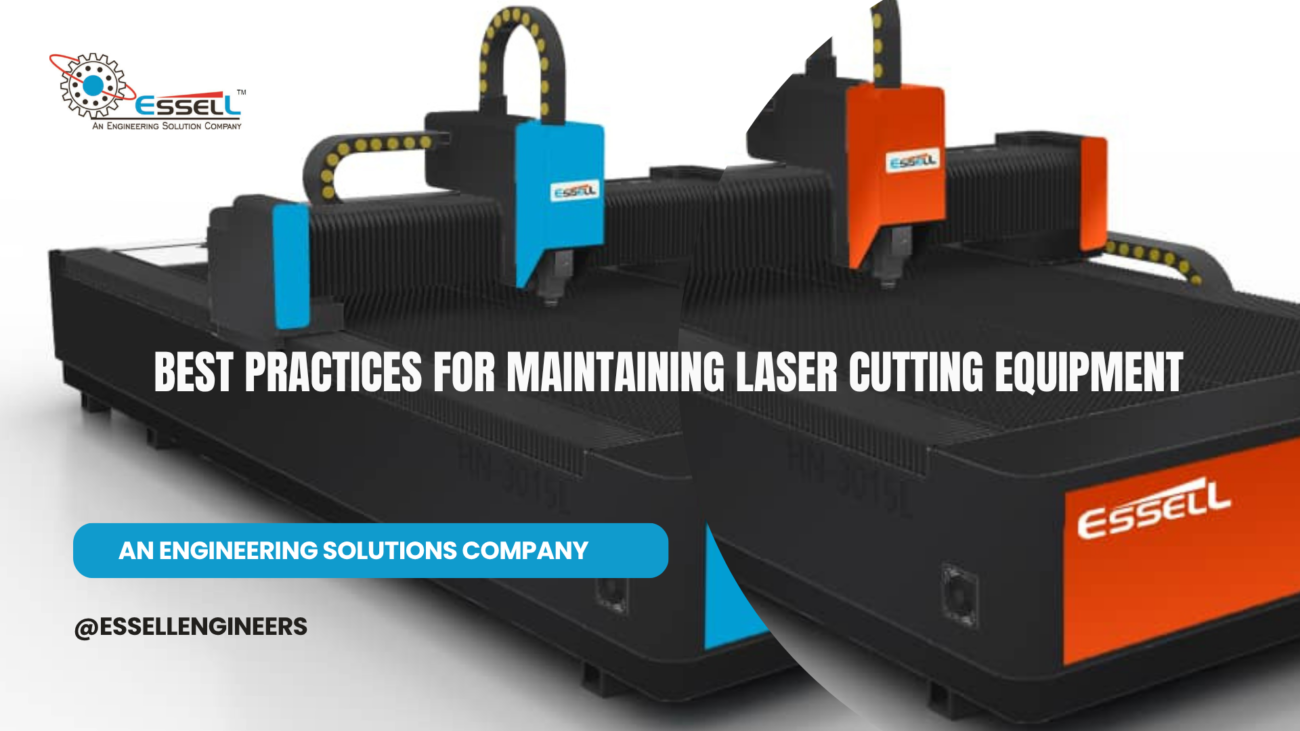
Laser cutting equipment plays a vital role in modern manufacturing, delivering precision, speed, and efficiency across a wide range of industries. However, maintaining consistent performance requires more than just advanced technology—it depends on proper care, regular maintenance, and smart operational practices.
For companies like essell, ensuring that laser cutting systems operate at peak efficiency is essential for delivering reliable engineering solutions. This guide outlines the best practices for maintaining laser cutting equipment and maximizing its lifespan.
Why maintenance is essential for laser cutting equipment
Laser machines operate under high precision and demanding conditions. Without proper maintenance, performance can gradually decline, leading to:
- Reduced cutting accuracy
- increased downtime
- higher repair costs
- shorter equipment lifespan
A proactive maintenance approach helps avoid these issues and ensures consistent productivity.
Regular cleaning of optical components
Optical elements such as lenses and mirrors, is critical to laser performance.
Over time, dust and debris can accumulate, affecting beam quality.
best practices include:
- cleaning lenses with appropriate solutions
- Avoiding direct contact with sensitive surfaces
- Inspecting components regularly
Keeping optical parts clean ensures consistent cutting precision.
Inspect and maintain the cutting head
The cutting head is responsible for directing the laser beam accurately.
Routine checks should focus on:
- alignment accuracy
- nozzle condition
- proper functioning of moving parts
Regular inspection helps prevent errors and maintains cutting quality.
monitor cooling systems
Laser machines generate significant heat during operation, making cooling systems essential.
to maintain efficiency:
- Check coolant levels regularly
- ensure proper circulation
- Inspect for leaks or blockages
A well-maintained cooling system prevents overheating and extends equipment life.
Check assist gas systems
Assist gases play an important role in achieving clean cuts.
Maintenance tips include:
- ensuring proper gas pressure levels
- checking for leaks
- using high-quality gas supplies
Consistent gas flow improves cutting performance and reduces defects.
Keep the work area clean
A clean workspace contributes to better machine performance and safety.
important steps:
- remove metal scraps and debris
- maintain dust-free surroundings
- organize tools and materials
A tidy environment reduces the risk of contamination and improves efficiency.
Calibrate the machine regularly
Calibration ensures that the laser machine operates with precision.
This involves:
- verifying alignment
- adjusting cutting parameters
- testing accuracy
Regular calibration helps maintain consistent results across production runs.
Update software and control systems
Modern laser machines rely on software for operation and optimization.
Keeping software updated ensures:
- improved functionality
- enhanced performance
- compatibility with new features
Regular updates help maintain efficiency and reduce technical issues.
train operators effectively
Skilled operators play a key role in maintaining equipment performance.
training should focus on:
- proper machine operation
- Basic maintenance procedures
- Safety protocols
Well-trained operators can identify issues early and prevent major problems.
Schedule preventive maintenance
Preventive maintenance is more effective than reactive repairs.
Create a maintenance schedule that includes:
- routine inspections
- part replacements
- system checks
Planned maintenance reduces unexpected breakdowns and improves reliability.
Monitor machine performance
Tracking machine performance helps identify potential issues before they escalate.
monitor:
- cutting speed and accuracy
- energy consumption
- unusual noises or vibrations
Early detection allows timely corrective action.
ensure proper lubrication
Moving parts require proper lubrication to function smoothly.
best practices:
- Use recommended lubricants,
- apply at regular intervals
- Avoid over-lubrication
This reduces wear and extends the life of mechanical components.
maintain electrical systems
Electrical components are critical for machine operation.
check for:
- loose connections
- Voltage stability
- Proper grounding
Ensuring electrical reliability prevents unexpected failures.
follow safety guidelines
Safe operation is essential for both equipment and personnel.
Key measures include:
- using protective equipment
- following operating procedures
- conducting regular safety checks
A strong safety culture supports efficient and risk-free operations.
benefits of proper maintenance
Maintaining laser cutting equipment offers several advantages:
- improved cutting quality
- reduced downtime
- lower repair costs
- extended equipment lifespan
For Essell, these benefits translate into delivering consistent and high-quality engineering solutions.
future trends in maintenance practices
Maintenance strategies are evolving with technology.
Emerging trends include:
- Predictive maintenance using data analytics
- remote monitoring systems
- automated maintenance alerts
- integration with smart manufacturing platforms
These advancements help improve efficiency and reduce manual effort.
conclusion
Maintaining laser cutting equipment is essential for ensuring long-term performance, reliability, and efficiency. By following best practices such as regular cleaning, calibration, and preventive maintenance, businesses can maximize the value of their investment.
For Essell, adopting a proactive maintenance approach supports the delivery of high-quality engineering solutions while minimizing operational disruptions. As technology continues to advance, effective maintenance will remain a key factor in achieving sustainable success.